
Here is a guide to melting temperatures of tungsten, lead, and other metals.
Tungsten
Tungsten is the metal with the highest melting point at 6,191 degrees Fahrenheit.
While it is not as popular as gold or silver, tungsten is used to create heating elements and filaments in light bulbs. Commonly used in heavy metal alloys, tungsten can also be used for manufacturing X-ray tubes or electrodes. It is also a good material for radiation shielding.
| Industry | Function |
| Chemical | Tungsten is used as a catalyst in the production of chemicals. It includes things such as methanol and ammonia. |
| Glass production | Used as a material for glass manufacturing. It’s high melting point means it stays the same shape and won’t warp. |
| Jewelry | Used as a material for high-end. |
| Lighting | Used in the production of incandescent light bulbs. |
| Mining | Used in the production of mining equipment. It includes drilling tools and earthmoving equipment. |
| Nuclear | Used as a radiation shielding material in the construction of nuclear power plants. |
| Woodworking | Used in the production of cutting tools and router bits. |
Lead
Lead has one of the lowest melting points in metals. It will melt at 621 degrees Fahrenheit, way faster than aluminum.
This material has a silver-grey color and has been known by humans for centuries. In ancient times, it was used for pottery and pipes since it is highly resistant to corrosion.
Nowadays, lead is used in batteries and pigments as well as in weights for lifting. Just like tungsten, lead is also used for radiation shielding.
Brass
Melting at 1,710 degrees Fahrenheit, brass has a low melting point compared to iron or steel. A special furnace is still required as the operation is quite complex.
Brass is commonly used for decoration due to its gold-like appearance. But this material is also efficient and used in locks and gears. It also has some plumbing and electrical applications. You can find brass in many musical instruments.
Iron
Melting at 2,800 degrees Fahrenheit, iron is one of the metals with a high melting point. They have strong intermolecular forces between their atoms, making them harder to change the solid state.
Iron is used in many industries and is the main ingredient for manufacturing steel. Civil engineering also makes use of iron, which is used to reinforce concrete and girders. Some alloys can be created with iron in combination with other metals, such as tungsten and nickel.
| Industry | Function |
|---|---|
| Construction | Used as a structural material. |
| Automotive | Used in car body parts and steel alloys for car parts. |
| Transportation | Used in the production of transportation equipment. |
| Manufacturing | Used as a raw material. |
| Energy | Used in the production of pipelines and boilers. |
| Machinery | Used in the production of machinery and equipment. |
| Electronics | Used as a component in electrical equipment. |
Titanium
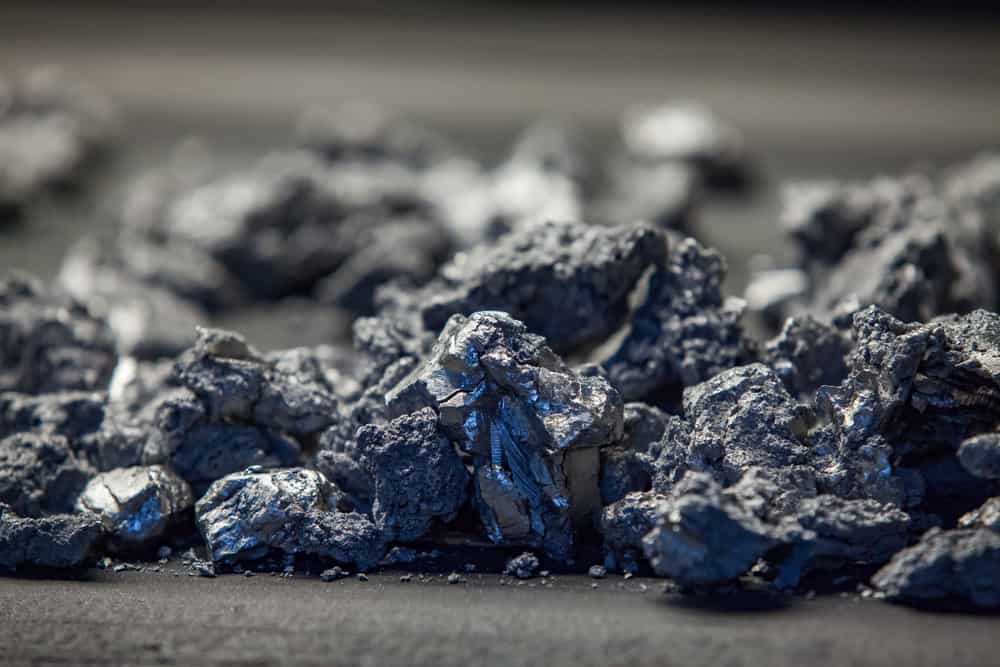
Titanium has a higher melting point than iron, and this material will melt at 3,000 degrees Fahrenheit.
It is a very durable material used for engineering applications. Titanium is known for its corrosion-resistant features and is very light and strong. Being 40% lighter than steel, there is an increased versatility when working with Titanium.
Uses;
- Tooth implants
- Hip joints
- Joint replacements
Silver
This material has a melting point of 1,761 degrees Fahrenheit and is considered a precious metal.
Silver is a precious metal often used for jewelry and tableware. Its applications are in industries where appearance is important, and its visual aspect is what matters the most. However, silver can tarnish over time and lose its features. The medical industry also uses silver, especially in dental alloys.
Tin
Being one of the metals with a low melting point, tin is easy to bring to a liquid state. It has a melting point of just 447 degrees Fahrenheit.
Tin is a soft metal that is silver in color. Widely used for food containers and plating steel cans, this material does well in polishing. Tin can be applied to other metals to strengthen their surface and prevent corrosion. Tin cans are made of steel which is coated with this material.
Uses:
- Used to coat other metals
- Bearings
- Solder

