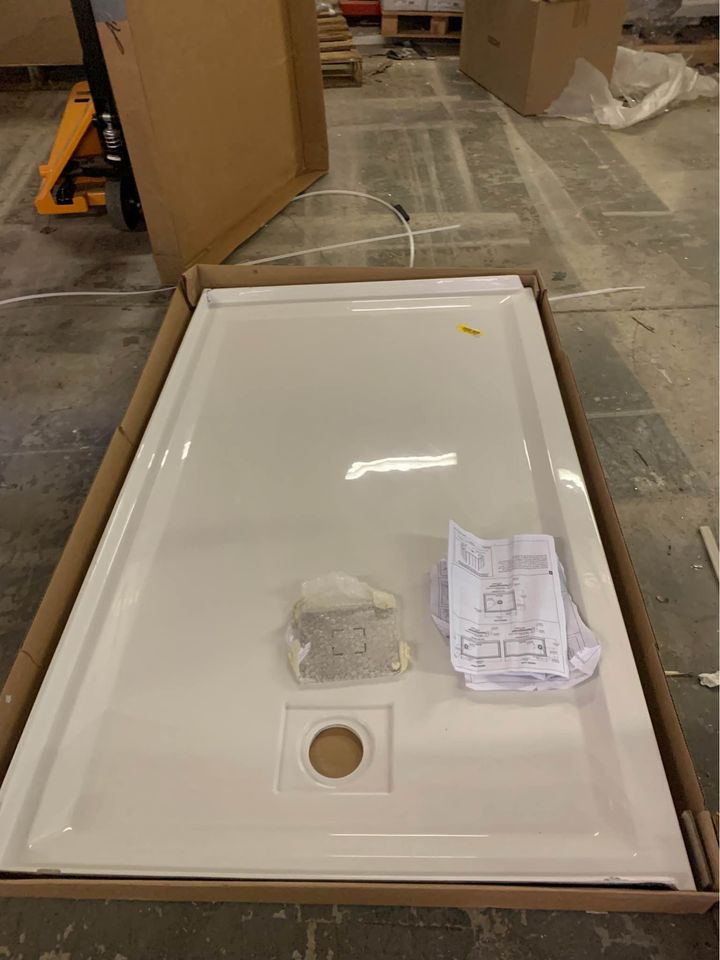
Shower trays are not only categorized by size or drain placement. The material they’re made of also plays a big role. It determines the key characteristics of the floor, how long it will last, how durable it is etc. Here are the main materials used to make shower trays:
- Stone resin
A beautiful material that goes well with every surrounding. It will provide an aesthetically pleasing shower pan that will not stick out too much yet complete the artistic composition in your bathroom.
The installation of this material isn’t hard, and it can be done in various ways. It will allow you to enter and exit the shower easily. It’s also not problematic to keep tidy. It’s very durable and easy to buy.
- Porcelain
Another sturdy, beautiful material that will make your bathroom look great for a long time. It keeps the shower stable without the need to replace it so often. These porcelain trays come in different shapes and sizes and can be bought at any hardware store. Unfortunately, they tend to be expensive.
- Cultured Stone
This material is made of stone and resin and is resistant to hazards such as chemicals or stains. It chips off relatively easily, but it can easily be fixed. The sprayed coating adds extra waterproofing, ensuring that no leaks happen.
- Tile
A very standard, popular option. It is also one of the more pricey ones, due to the costs of keeping it clean and well. They can be hard to install and usually take some time. Once you’ve got them done, they will surely last you for a long time.
- Molded Stone
A stylish, luxurious-looking material. It’s also very resistant to mold and mildew, which are common issues in showers. Maintenance isn’t a problem. It can be done using only natural ingredients such as vinegar. They come at a reasonable price and are easily installed.
- Acrylic
Another very popular option due to its moderate costs and customization abilities. They can be cleaned easily using everyday cleaning products. They are one of the most durable materials for shower pans due to their resistance to cracks and chips.
A go-to material when it comes to showers. Very durable and stable, as well as easy to maintain and modern-looking. At the same time, it’s considerably heavier than the other materials and thus is quite hard to install.
One of the most secure and durable materials on the market. It’s resistant to both stains and rust and can even be antibacterial. It won’t crack or bend, and it’s easy to keep it clean. On top of that, it’s very easy to install these shower pans.
- Fiberglass
One of the least expensive options on this list. Unfortunately, it’s prone to cracks, chips, and other hazards. Additionally, maintenance work is relatively hard and pricey.
It cannot be cleaned with any cleaning product, as the stronger ones might scratch it. They need to be cleaned every other week, at least, to get rid of all the minerals and stains.
- Marble
Luxurious, prestigious, and simply beautiful are marble shower pans’ properties. Marble is a durable, chip-resistant material that can be cleaned without expensive products. It will keep your bathroom nice and fancy, albeit for a rather high price.
- Concrete
It’s a durable, strong material that can be installed all by yourself if you have enough experience. It doesn’t require much maintenance work, and the price isn’t too high.
It’s resistant to chips and cracks. On the downside, it doesn’t look that good, and there aren’t many customization options.
- Composite
A material with surprising toughness and stability. It’s made in a way that makes it easy to drain water. It’s waterproof and easy to install. The price and visual aspects are moderate- it’s a good pick for people with medium-sized budgets.
What is the difference between a shower pan and a shower base?
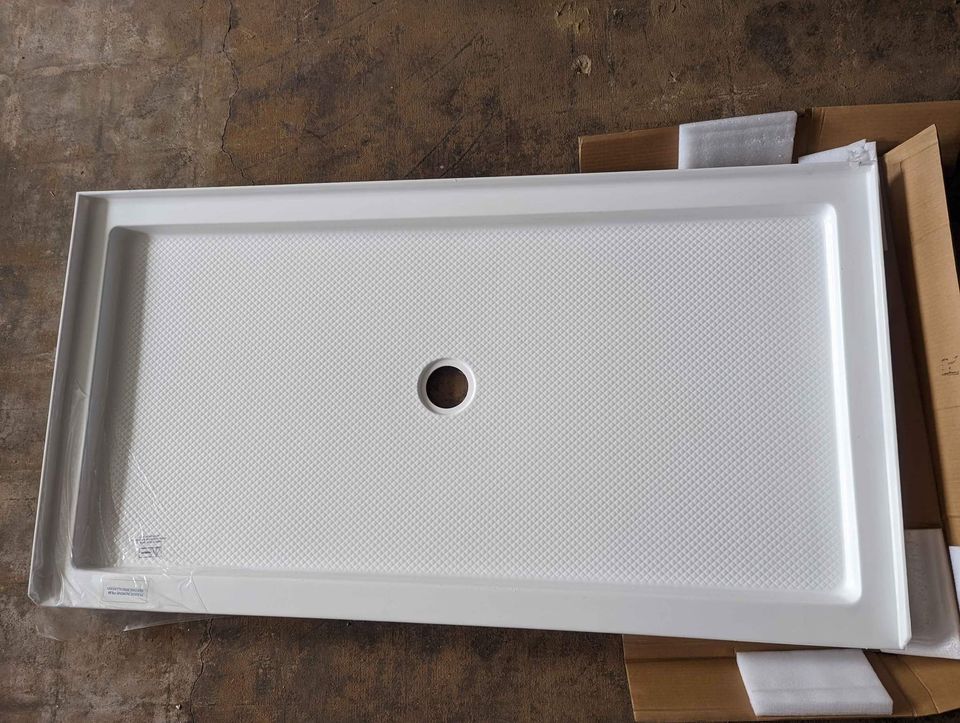
First, we need to clarify the differences between those two terms to learn about shower pans and bases.
Although they’re used interchangeably, they are not exactly the same thing. They possess different qualities and characteristics, and different variables must be considered when looking for the best one.