
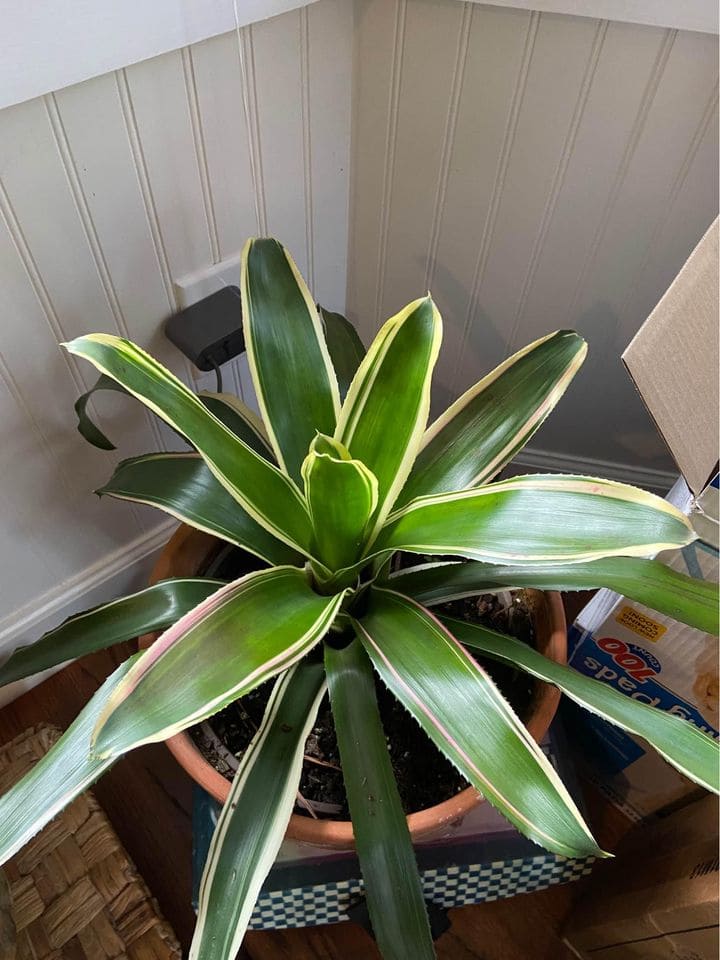
Before choosing the right way to treat a bromeliad species, let’s know the different family members. Here are the 5 most popular Bromeliad types amongst gardeners:
Sapphire Tower
The sapphire tower is a vision from a science-fiction film with its brightly colored blue blossoms and striking red anthers. The plant is native to central Chile. But in the right climatic conditions, it can survive in any backyard.
Even if the outdoor temperature gets as low as 15°F or as high as 70°F, it will flourish. It blossoms for about two months and reaches a maximum height of 4 ft.
Pineapple
The most distinguished member of the Bromeliad family is the pineapple. You’re probably already aware of the sweet-tangy fruit.
The pineapple plant isn’t grown for a gardening project but to harvest pineapples. However, it remains a popular choice amongst many gardeners.
Generally, it is low maintenance. But it may not grow in northern climates. It thrives in high humidity and up to 95°F. With a balanced diet of fertilizers, you can harvest the tropical fruit about six months after the bloom.
Billbergia
There are about 50 different species within the Billbergia genus, and each has a distinct characteristic. But generally, they’re well suited for an average indoor temperature of 70°F and reach up to 8 to 36 inches in height.
Typically, most of them are non-toxic to pets and people. In addition, they’re pretty easy to maintain and grow. All they require is indirect sunlight with a slightly acidic potting mixture.
Tufted Air Plants (Guzmania)
The Guzmania is a genus distinguished for vibrant colors and low-maintenance plants. There are over 120 species, ranging in color from purple and pink to red and yellow.
Most of them prefer partial shade, high humidity, and a temperature not lower than 55°F. If properly taken care of, they can grow up to 2 ft tall. You should see signs of a vibrant flower bloom within fourteen weeks of planting.
Aechmea
The genus name is an ode to the spear-shaped leaves and a bulging flowerhead. With over 250 species, the consensus is that these plants are easy to grow and low maintenance.
You only need to feed them with a liquid fertilizer diet once during the growing season. Allow them to reach maturity at 2 feet tall. They grow best under moderate humidity and partial shade.
Plant benefits
The Bromeliad family contains thousands of different types of plants. However, there are specific characteristics that make them stand out from other families.
For instance, the vibrant colors of the Bromeliad flowers and the spikey leaves are staple qualities. But the question remains, why is it a popular choice amongst homeowners?
Here are a few benefits that make bromeliad the ideal planting choice:
Better air quality
Indoor plants became a modern house staple when people realized the numerous benefits it contributes to improving the overall lifestyle. For example, most indoor options purify the air by taking up carbon dioxide and releasing oxygen during the day.
But what sets the bromeliad apart from others is that they tend to clean the air at night. In addition, scientific research shows that the plant also removes any pollutants or toxic chemicals in the air.
Low maintenance
Maintaining a healthy living environment to allow your plants to flourish can affect your well-being.
From frequent soil changes to spending hundreds on artificial fertilizers, plants cost time and effort. Therefore, you’re bound to feel impressed when such low maintenance and striking plant comes along.
The Bromeliad family may be vast, but they all tend to be low maintenance and easy to grow. You seldom have to change their soil or provide special conditions to ensure survival. Most of them can even withstand sub-zero temperatures and high humidity.
Drought-resistant
With the water table lowering each year, drought and water shortages are becoming a near reality. The deficiency affects all life forms, Which is why investing in drought-tolerant crops and plants is crucial.
The Bromeliad require very little water to grow. Overwatering leads to rotten roots. If you live in a drought-prone area, Bromeliad is ideal for you.
Promote a relaxed sleep
Relying on medication to doze off every night may provide a temporary fix. But in the long run, the problem still stands. Additionally, artificial methods to induce sleep do more harm than good.
Scientific research and experiments have shown Bromeliad plants significantly enhance sleep quality. As they remove toxins from the air and promote a reduced stress level, you get a much more peaceful sleep. As a result, your productivity levels increase. You’re well-rested throughout the day.
Colors
One of the Bromeliad family’s most different factors is the vibrant colors of the blooms. You’ll likely find flowers in all shades of orange, red, pink, and yellow.
The bold colors make them a highly regarded choice for an indoor house plant. In addition, they add a pop of color to an otherwise plain green plant.
The plants that are most celebrated for their vibrant colors include:
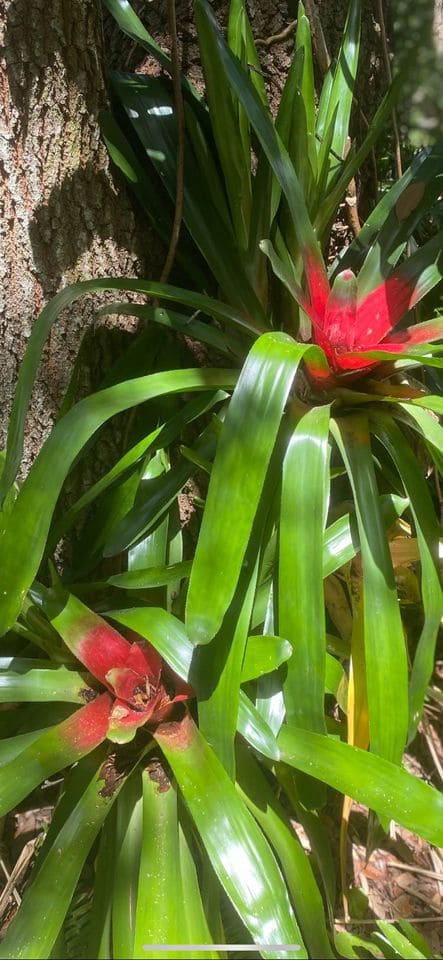
- Guzmania – featuring orange, yellow, and purple flowers.
- Neoregelia – adorning a pink, purple, or orange foliage.
- Pink quill – featuring a hot pink center, surrounded by muddy-green blades.
- Urn – starring a pink flower cluster with individual blue and purple flowers.
- Vriesea – featuring a tall, feather-like bloom in bright red, orange or pink.
Life cycle
With over 3000 species in the Bromeliad family, The life cycle stretches from a few weeks to a few decades. However, you can obtain a general understanding by dividing the plant into either of the two following types:
Epiphytic
The plants that grow devoid of independence are known as epiphytic plants. They grow attached to a hard surface and obtain the nutrients, oxygen, and water from the air around them.
Instead of reproducing traditionally, they spread out their shoots to cover their inhabited surface. Each shoot eventually develops into a mature plant. Once these shoots detach from the parent, it dies.
Terrestrial
The plants you are familiar with as the vibrant species that add character to your house fall under the terrestrial category. They reproduce in a more conventional sense through pups and seeds.
Once these pups are removed from the parent plant, they can be allowed to develop into independent and mature plants.
Similarly, the seeds are sown to mature into a vibrant terrestrial Bromeliad. The life of a parent plant comes to an end once the pups are carefully removed.
Bloom stages
Bromeliad species are long-lived and slow-growing plants. They bloom only once during their lifetime. After they have flowered, they begin the process of dying.
Different species reach maturity at different stages. However, the earliest a plant can mature is about a year from independence. It may also take some of them up to 3 years to reach maturity.
After a plant has matured, it begins the process of booming. The boom lasts anywhere from 6 to 8 months. During the blooming stage, it also produces multiple pups. But after it ends, the parent plant begins a two-year-long journey into a final demise.

