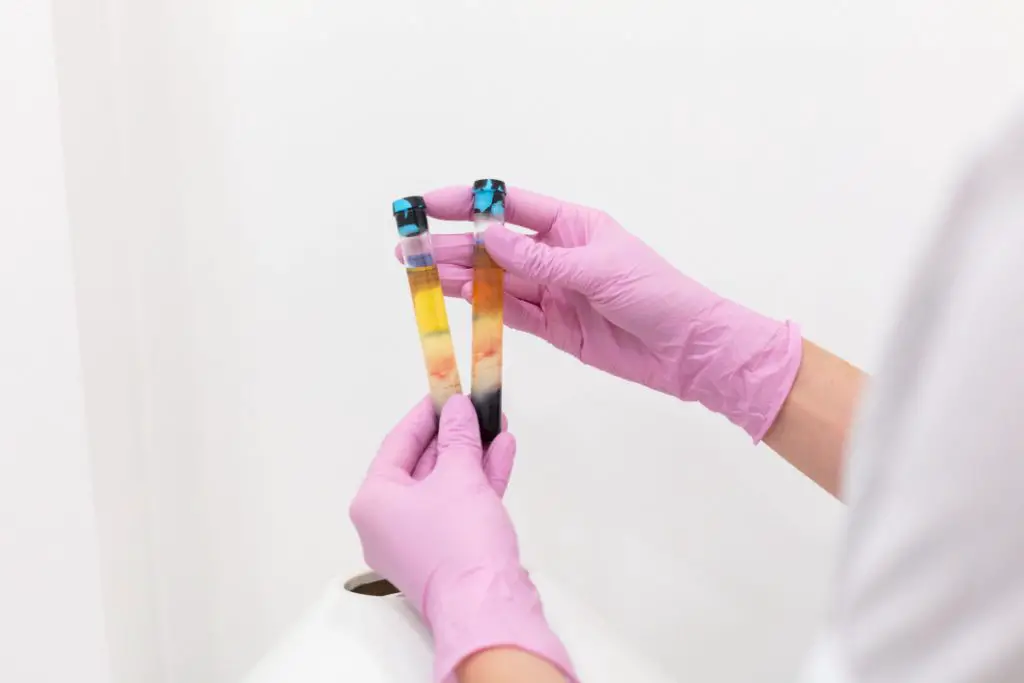
In addition to the primary functions of plasma in the human body, plasma can also save lives. All over the world, many people suffer from diseases or injuries that require treatments that utilize human plasma. With around 500 proteins, clotting factors, immunoglobulin (IVIG), alpha-1 antitrypsin, albumin, and hyperimmune globulins from plasma. These can be used to diagnose and treat some life-threatening, chronic diseases. From immune deficiency (PID) to albumin production for burn and shock patients, plasma can help alleviate symptoms.
Donation is open for everyone, but there are requirements that you need to meet before you can go ahead with it. It is set for health safety reasons.
If you’re looking to give but are unsure if you’re qualified, you’ve clicked on the right link! In this post, we’ll discuss some FAQs of prospective donors.
How long does it take to donate?
So, how does it work? It’s similar to simple blood being drawn but with a few differences in terms of eligibility requirements and blood processing. To draw blood, a sterile needle is inserted into one arm at the crook of your elbow. Then, your blood is sent through a machine that collects your plasma. Your red blood cells and platelets are delivered back into your body along with some saline. Due to this additional process of isolating the plasma and sending back platelets and RBC, donating plasma takes slightly longer than the usual blood.
On average, this entire process takes around one hour and 15 minutes. First-time donors usually take up more time, around two hours. This process is safe and involves little pain as the needle breaks the skin. The nurses or trained volunteers ensure that all donors are comfortable during and after the process. Centers accepting it are usually stocked up with food and refreshments. You can consume it while resting after donating to combat lightheadedness.
How often can you do it?
According to the Red Cross Organization, you can donate every 28 days or up to 13 times per year. The frequency is higher than whole blood and red cells because only the plasma is taken from your blood, meaning less volume.
What do they test for?
From age and weight up to medical history and medicine intake, there is a lot of information that must be screened for. Let’s talk about age, weight, and blood type.
How old do you have to be to be eligible for plasma donation? Generally, donors must be at least 17 years of age. Younger individuals can also do it if given parental consent. You must also weigh at least 110 lbs or more. Male donors need to weigh around 110-118 lbs, depending on the height and age. Female donors have a wider weight requirement scale of 110-145 lbs.
All blood types are eligible for it. However, type AB is the ideal candidate because it is universal. It means that it can be administered to patients in need of plasma regardless of type. This is why the Red Cross Organization drives are called “AB Elite Plasma Donation.”
Next, you must pass two medical examinations. It includes medical history screening and tests for transmissible viruses. These tests will determine if you’re healthy enough to donate. They’ll determine if it’s safe for recipients to receive your plasma by ensuring that you do not harbor transmissible diseases.
For a comprehensive list of eligibility requirements for blood and plasma donation, visit this page on Red Cross Organization’s website.