
Here’s what you need to be mindful of when building a garage:
- Size
- Roofing material
- Interior equipment
Size
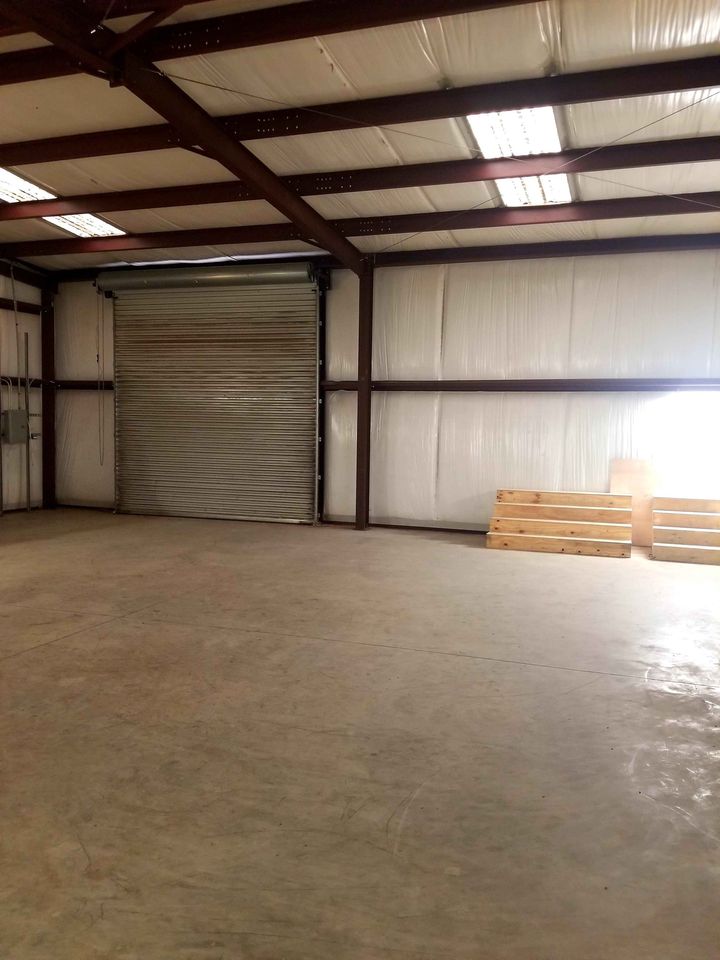
The size of your garage is the most important factor to consider. Think not only about how many cars you own but also about whether you might buy additional ones. You should also take your vehicle model into account. If you buy a larger one, it might not fit into your pint-sized design.
All things considered, it is better to build a larger garage than a smaller one. You can always make use of the free space for storage. Expanding is not always an option, so you’ve been warned.
Though you’re like to find a chart online that displays the width and length of various vehicles, we recommend measuring your car for the best results. Charts might be able to provide a rough average, but they can’t tell you the exact size. You won’t want to waste money on costly modifications if you get it wrong!
Interior Equipment
If you plan to use the interior to store items, you will need to build it larger. Organizers and cabinets take up lots of space. You won’t be able to install them in a garage that simply isn’t deep enough. A/Cs and fridges are also popular additions, especially if you want a relaxation grotto in your home. Also, make sure you have enough ceiling lights, especially if you plan to work on your vehicles.
Roofing Material
The most common roofing materials are metal and shingles. You can’t go wrong with either one, though metal is a little sturdier. Therefore, we advise you choose it if you live in areas plagued by frequent inclement weather. On the other hand, the shingle complements the look of your house better. Of the two, it is undoubtedly the prettier material.
Still, both options are reliable. They are not only waterproof, but they also resist fungal growth.
Some people use:
- rubber
- clay tiles
- or fiberglass.
| Material | Pros | Cons |
|---|---|---|
| Asphalt Shingles | It’s inexpensive & easy to install. | Short lifespan, fades over time. It can be damaged by extreme weather |
| Metal | Durable, fire-resistant, and low maintenance | Expensive & can be noisy during rain or hail. It may dent or scratch easily. |
| Rubber | Waterproof, resistant to mold and mildew, and easy to install | Expensive, and it can be heavy. It’s not suitable for all climates. |
| Clay or Concrete Tiles | Long-lasting, fire-resistant, and visually appealing | Heavy, brittle and can crack easily. It’s difficult to install because of the weight. |
| Fiberglass or Plastic | Lightweight, inexpensive, and easy to install. We love its insulating properties. | Not as durable as other materials. It can become brittle over time. |
Heated Flooring
Heated flooring will allow you to spend time in your garage, even in winter. It’s a great investment if you are a tinkerer. You will have to work on your back a lot so the extra warmth can be cozy.
But think about whether you want heated flooring before the construction begins – you might not be able to add it later.
Conclusion
To sum up, garages are useful additions to every home. When choosing the right design, you must consider your car’s size. If you plan to fill the interior with amenities such as cabinets or shelves, you should get a bigger garage than your vehicle. Each design has pros and cons, so it’s up to you to make an educated decision.

